Use Cases


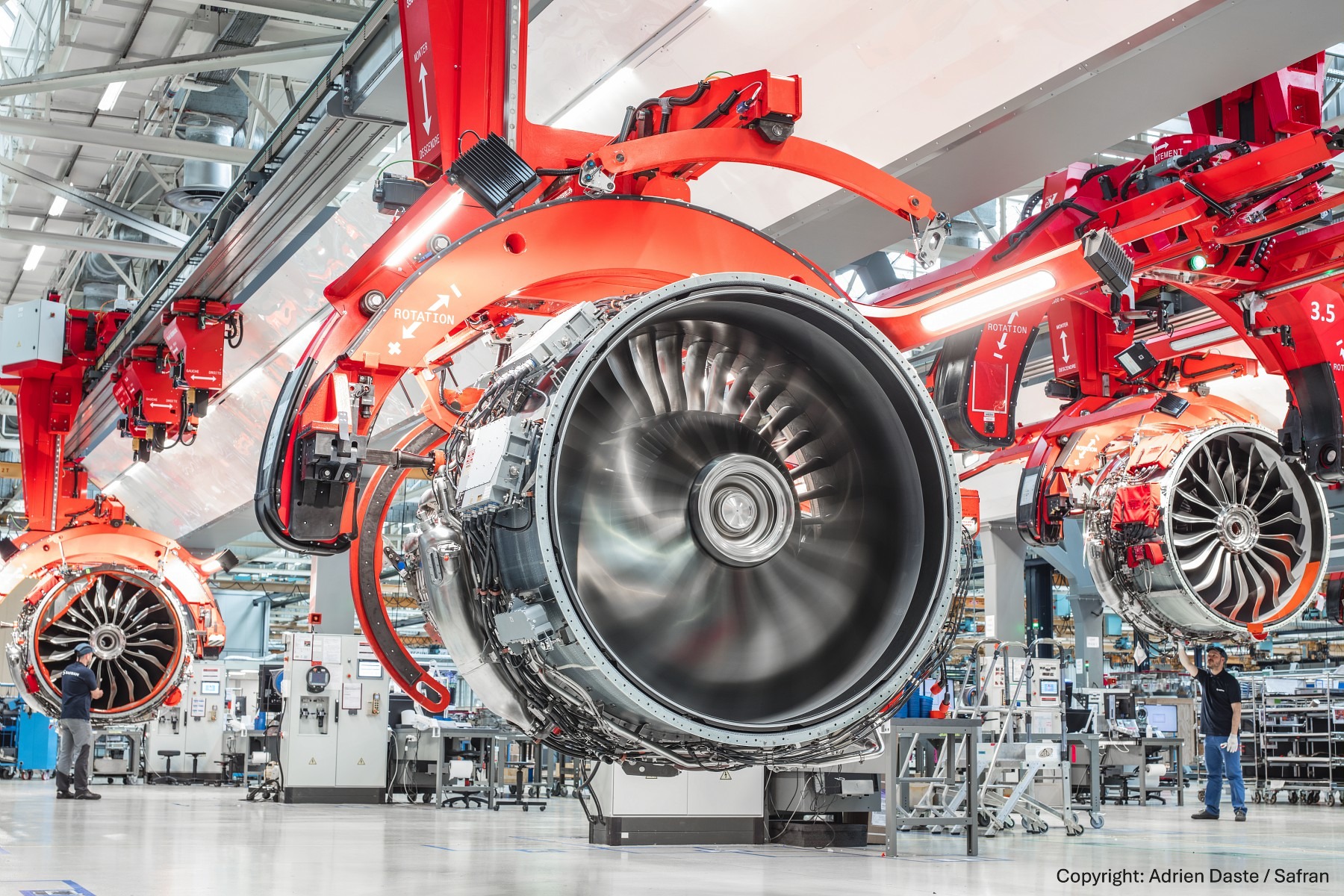
Well-known engine types which are reliable and stay longer in the market than expected due to the teething issues on the new engine types.
Material supply issues and shop capacity constraints lead to higher TATs. Clever workscoping, LLP exchanges and removal planning can reduce MRO cost in a significant amount. Same is for taking lease return conditions and lessor requirements into account while making optimal use of maintenance reserves. We want to prolong engine life just as much as necessary, keeping the additional investment cost as low as possible.
New engine types with considerable teething issues as the for example environmental barrier coating on HPT shrouds, fuel nozzle coking (LEAP) or powder metal issues (PW1100). This leads to a huge burden of additional cost, facing unhappy customers on all sides. It will take more time to implement possible solutions. For example, to tackle the fuel nozzle coking issue, the reverse bleed system has to be installed on 9.000 engines worldwide. Thousands of PW1100 engines have to be grounded for inspection and material replacement, leading to hundreds of engines which are waiting for induction in front of the engine shops. Last but not least, repair capabilities are still building up and no MRO is offering any pricing model based on hourly usage. Therefore, airlines should make use of expertise even more.

Tender management and purchasing support
Requirement engineering and offer evaluation
Work scope and removal plan consulting
Calculation and business plan/budget support
Contract negotiations and support
Engine life and fleet optimization
Invoice consulting, verification and dispute management
Lease return optimization

We are engine experts with long time experience in various roles at market leading MRO providers.
Working as engineers, key account managers and sales managers we know how engine services are calculated, offered and operationally managed.
We know how to articulate your indiviual requirements precisely to potential MRO providers. This knowledge is essential to compare apples to apples which can reduce your total MRO spent significantly.
.jpg)
Experts in all major turbofan engines
In-depth knowledge of LEAP-1A, LEAP-1B, PW1100, CFM56-5B, CFM56-7B, V2500 and further engine types
10+ years of engine business experience worldwide
50+ MRO contract experience, from small to big airline fleets
Expertise in all relevant pricing and contract models:
Engine/modular not-to-exceed price (NTE)
Engine/modular firm fixed price (FFP)
Pay by the hour/cycle (flat) rate
Pay at shop visit (flat) rate
Total contract volume guarantee
Time and material conditions
Do you experience time or resource constraints to manage engine tenders or contracts?
Are you sure you are not overpaying your providers?
Which prizing model fits best to your current fleet?
Do you struggle with long TATs and low spare engine commitment?
Have you been confronted with unexpected cost during or after engine MRO services?
Years Experience
MRO Contracts
Business Cases
Use Cases